How Solar Energy Works
Everything you need to know about solar power, net metering, and savings in the Maldives
Everything you need to know about solar power, net metering, and savings in the Maldives
Solar energy is simple, reliable, and perfect for the Maldives' abundant sunshine.
Solar panels on your roof absorb sunlight and convert it into DC (direct current) electricity using photovoltaic cells.
A solar inverter converts DC electricity into AC (alternating current) — the type of electricity your appliances use.
The AC electricity supplies your home, business, or resort. Where export is approved, surplus production can flow to the utility grid.
Solar used on site reduces grid imports. Approved exports may receive the treatment set by the current utility and regulatory rules.
A grid-tied solar system supplies the property's loads while solar energy is available. When production is lower than demand, the property imports electricity from the grid; where export is permitted, excess production can flow to the grid.
Metering, export credits, approvals, system limits, and billing treatment depend on the current utility and regulatory requirements for the project location. Those requirements should be confirmed during design rather than assumed from a generic example.
Important: A standard grid-tied inverter normally shuts down during a grid outage for safety. If backup power is required, ask about a properly designed hybrid system with designated backup loads.
Verify current requirements: consult the Utility Regulatory Authority's energy regulations and the applicable utility. STELCO also publishes net-metering capacity information. Rules, forms, and available grid capacity can change.
Request a Site-Specific Estimate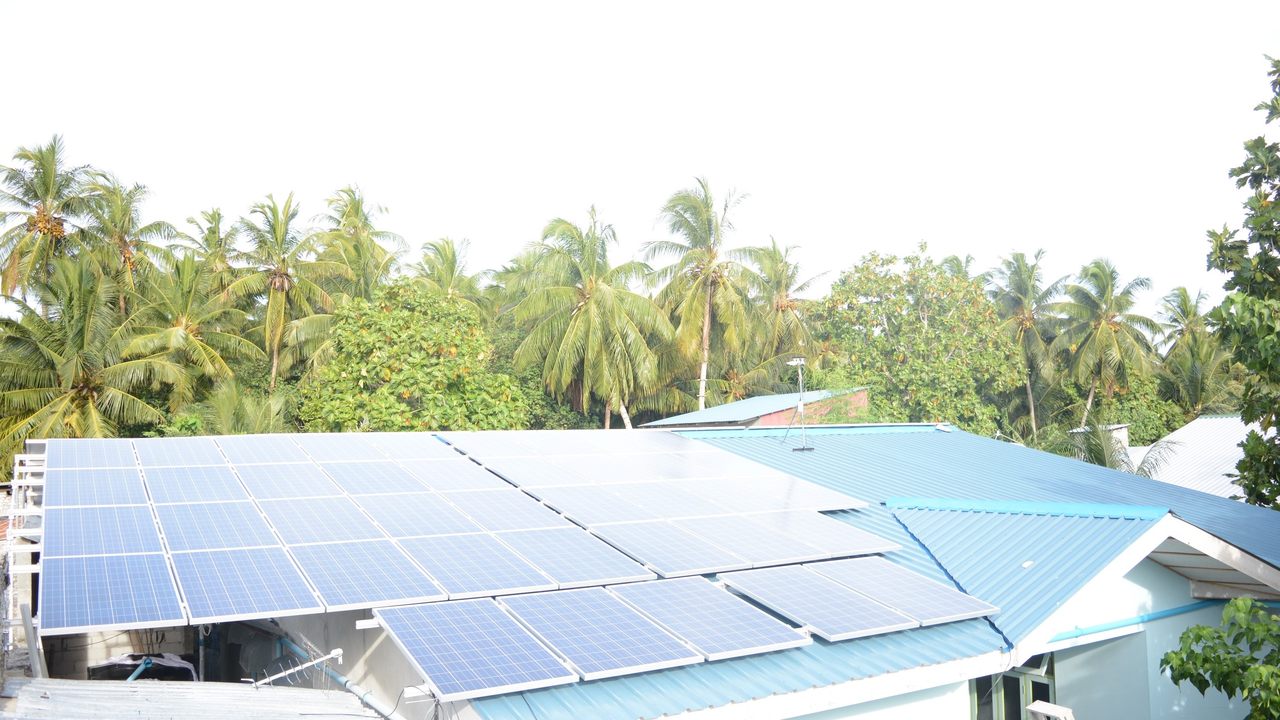
Payback is calculated from the actual project—not from one fixed number for every customer.
When Power Is Used
Daytime demand, seasonal use, load growth, and the share of solar consumed on site strongly affect savings.
What the System Delivers
Equipment, transport, installation, shading, orientation, degradation, downtime, and maintenance affect lifetime output and cost.
How Savings Are Valued
Electricity tariffs, export treatment, financing, tax, warranty, and contract terms shape the financial result. Estimates are not guarantees.
Knowing the difference between product and performance warranties is crucial.
Covers defects in materials or workmanship according to the manufacturer's written conditions, exclusions, claim process, and term.
States how the manufacturer expects panel output to change over time. The exact duration, degradation limits, remedy, and exclusions vary by model.
Manufacturer product terms and Ecogreen Maldives workmanship or support terms are different. Ask for each applicable term in writing before approval.
Review the manufacturer, model, datasheet, compatibility, environmental ratings, warranty documents, and local support process for the exact quoted equipment.
Availability, eligibility, pricing, and terms depend on the customer, project, and current finance or commercial partners.
Request a cash purchase quotation and ask whether a current financing route is available for the project. Compare total cost, payment timing, security, and ownership terms.
Larger projects may be evaluated for alternative commercial structures. Any proposal is subject to project review, partner approval, and a separate written agreement.